
- Sterilising Drum
- Autoclave
- Weighing Scale with Height
- Instrument Tray
- Gallipot With Covers
- Kidney Dish with Covers
- Vaginal Speculum
- Stethoscope
- Digital Thermometer
- Sphygmomanometer
- Mackintosh
- Green Towel
- Apron
- Safety Goggles
- Foot Suction Machine
- Ambu Bag
- Diathermy Quiver
- Nasal Aspirator
- Urine Pot
- Bed Pan
- Stainless Steel Basins
- Douche Can
- Bowl UNICEF
- Iodine Cup
- Dressing Jar
- Spirit Lamp
- Lotion Bowl
- Catheter Tray with Cover
- Sputum Mug with Lid
- Surgical Sutures
- Bandages
Surgical Sutures
Surgical sutures are sterile threads used by surgeons to close wounds, incisions, or surgical cuts and promote healing. They hold body tissues together, prevent infection, and aid proper tissue recovery. Sutures vary in material, strength, absorbability, and purpose. They can be absorbable or non-absorbable and are selected based on the surgery type, healing time, and tissue involved. Common types include braided silk, nylon, polyglactin, polydioxanone, catgut, polyamide, polyester, and polyglycolic acid sutures — each designed with specific characteristics for different surgical needs.
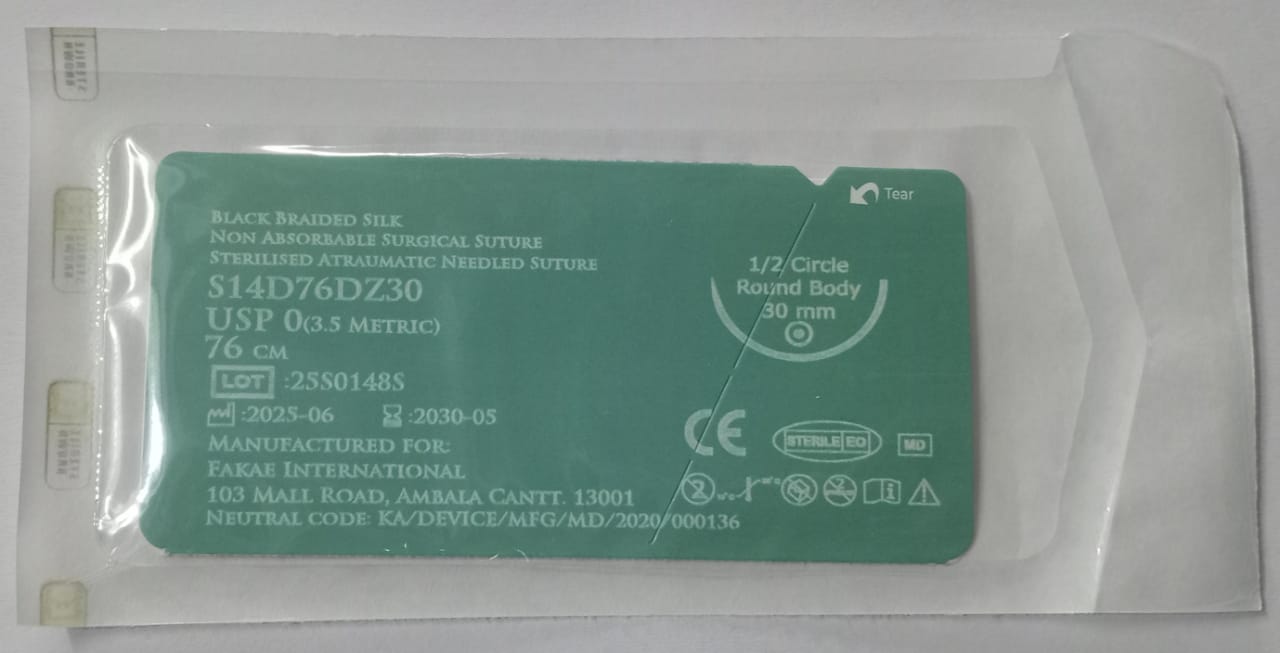
Braided Silk Sutures
Braided silk sutures are non-absorbable sutures made from natural silk fibers. They provide excellent knot security and easy handling, making them ideal for soft tissue closure. Though not absorbable, they gradually lose strength over time. Commonly used in dental, ophthalmic, and general surgery, silk sutures may induce a mild inflammatory response. Due to their braided structure, they can wick fluids, so they’re best used in clean surgical areas.
Size:0,1,2-0,3-0,4-0
Non-absorbable
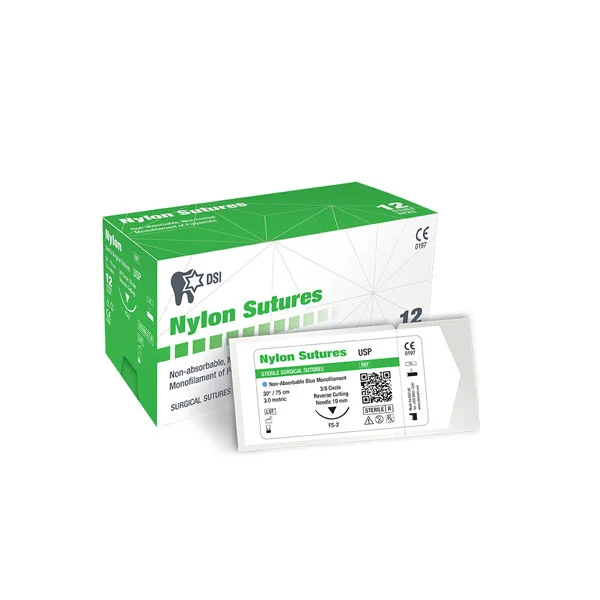
Nylon Sutures
Nylon sutures are synthetic, non-absorbable monofilament sutures known for their high tensile strength and minimal tissue reactivity. They are smooth, causing less tissue drag and are often used in skin closures and cardiovascular procedures. Though they can be left in place or removed later, they offer good cosmetic results. Due to their memory and stiffness, knot tying may require extra care to ensure security.
Size:0,1,2-0,3-0,4-0
Non-absorbable
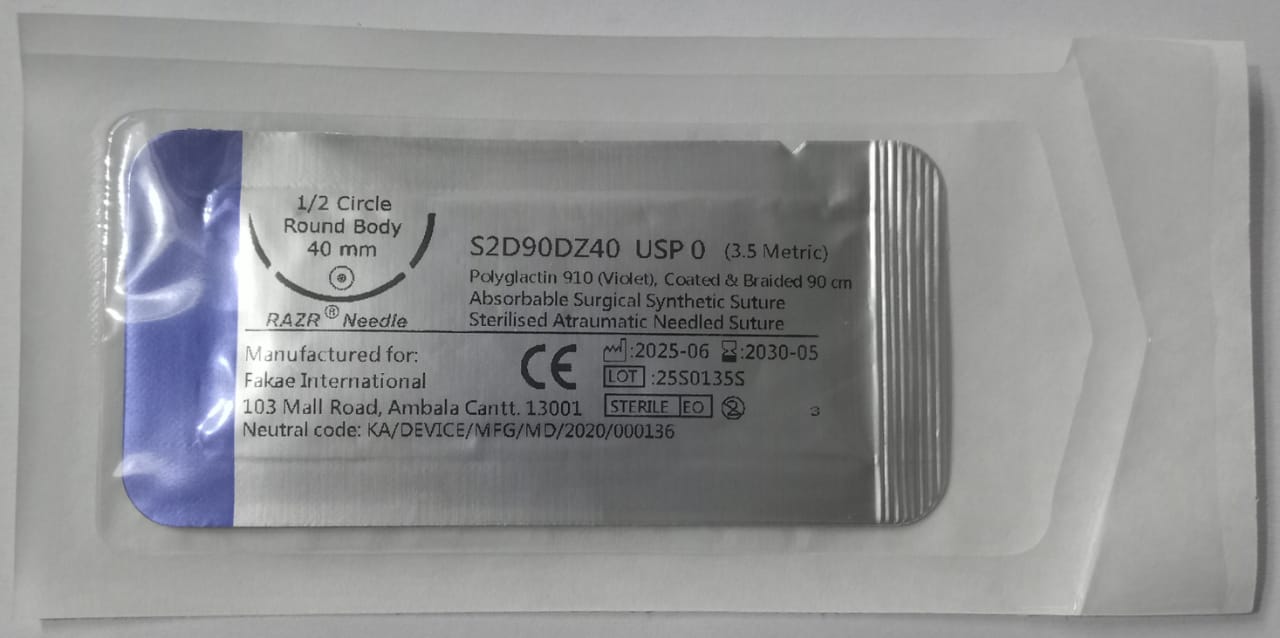
Polyglactin Sutures
Polyglactin sutures are synthetic, absorbable, braided sutures known under the brand name Vicryl. They offer good tensile strength for about 2–3 weeks and are fully absorbed within 60–90 days. Ideal for internal tissue approximation, they provide excellent knot security and minimal tissue reaction. These sutures are commonly used in gynecologic, urologic, and gastrointestinal surgeries. Their braided texture provides strength but may retain bacteria, so usage in clean areas is preferred.
Size:0,1,2-0,3-0,4-0
Absorbable
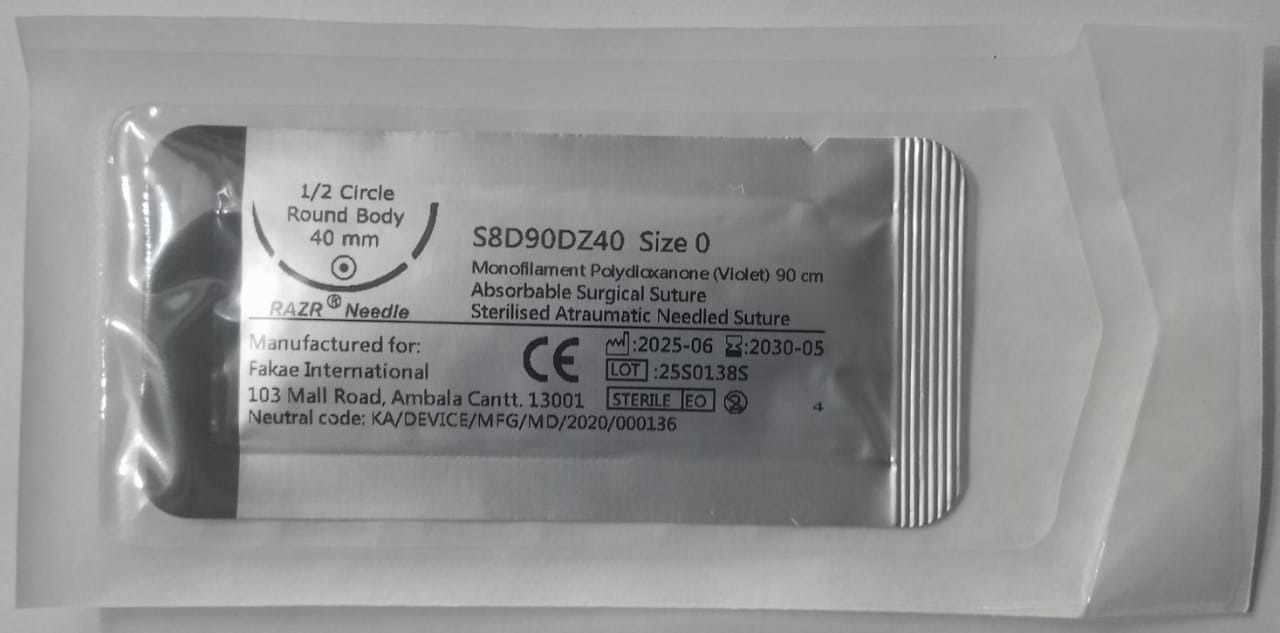
Polydioxanone Sutures
Polydioxanone (PDS) sutures are synthetic, absorbable monofilament sutures that retain strength longer than many other absorbables—up to 6 weeks. Full absorption occurs in about 180 days. These sutures are ideal for internal, deep, or slow-healing tissues such as in cardiovascular, pediatric, or abdominal surgeries. They offer minimal tissue reactivity and are especially suitable for procedures requiring long-term wound support.
Size:0,1,2-0,3-0,4-0
Absorbable
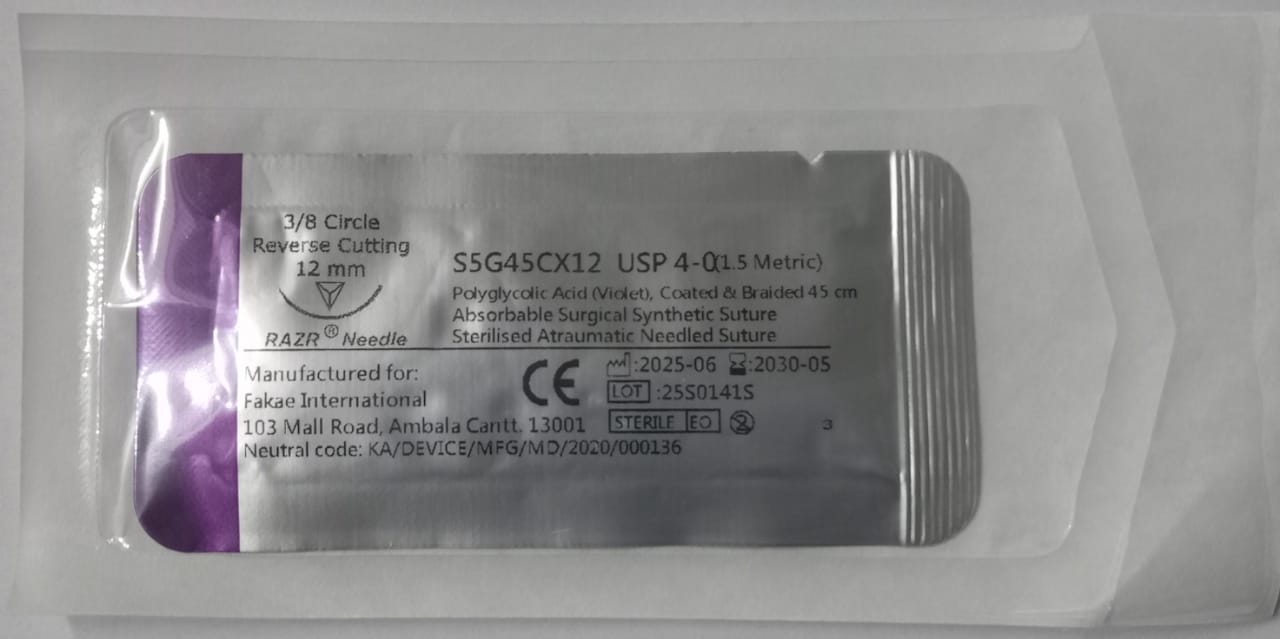
Polyglycolic Acid Sutures
Polyglycolic acid sutures are synthetic, braided, absorbable sutures offering strong initial tensile strength and predictable absorption in 60–90 days. They are commonly used in internal tissue closures, dental surgeries, and OB/GYN procedures. Their braided design allows for secure knots but may increase the risk of infection in contaminated wounds. PGA sutures cause minimal tissue reaction and are ideal for soft tissue approximation where medium-term support is needed.
Size:0,1,2-0,3-0,4-0
Absorbable
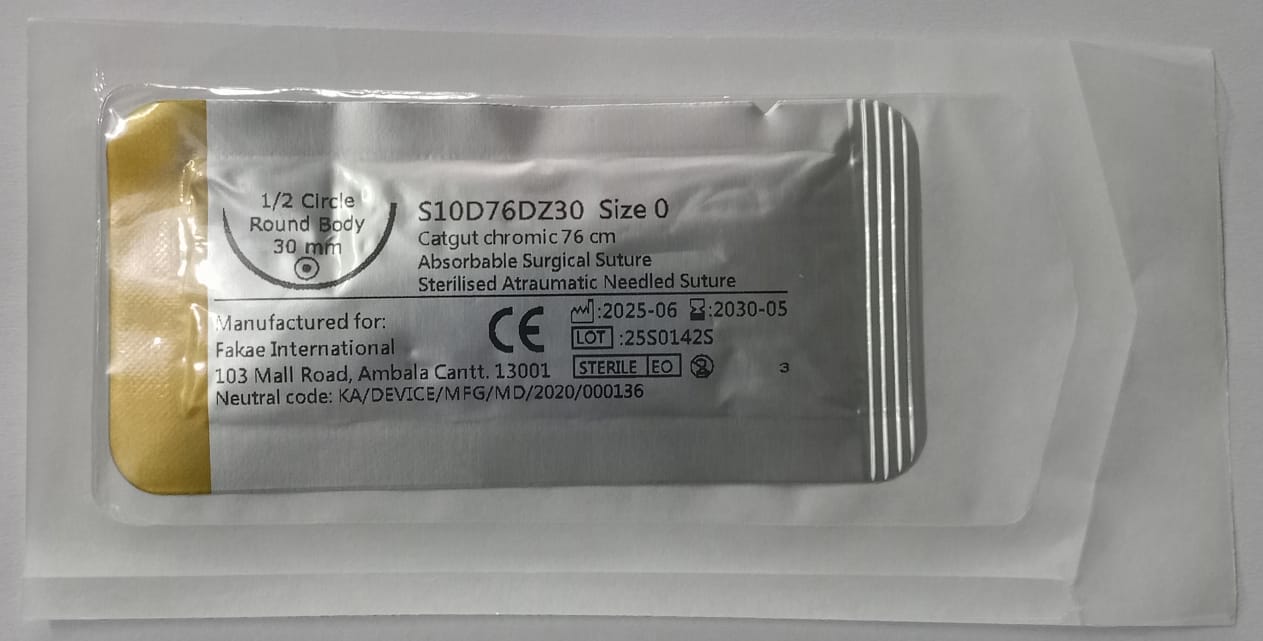
Catgut Sutures
Catgut sutures are natural, absorbable sutures made from purified collagen derived from animal intestines. They are rapidly absorbed by enzymatic action, making them suitable for fast-healing tissues. There are two types: plain and chromic catgut, with the latter treated for slower absorption. Commonly used in OB/GYN, dental, and minor surgeries, catgut sutures may provoke higher tissue reaction compared to synthetic alternatives but remain widely used for their natural composition.
i)Plain
ii)Chromic
Size:0,1,2-0,3-0,4-0
Absorbable
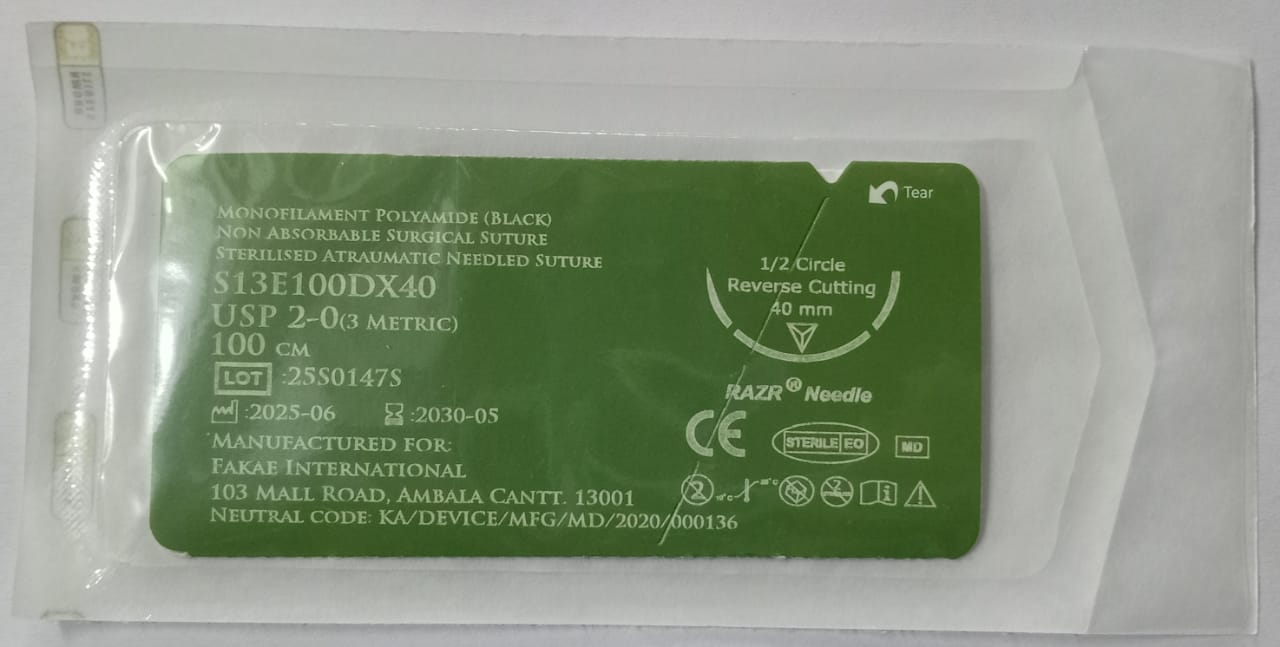
Polyamide Sutures
Polyamide sutures are synthetic, non-absorbable monofilament or multifilament sutures derived from nylon polymers. They offer high tensile strength, smooth passage through tissues, and low tissue reactivity. These sutures are ideal for skin closures, ophthalmic surgeries, and microsurgery. Polyamide sutures have low knot security compared to braided types but provide excellent cosmetic results. They are easy to handle and are removed once healing is sufficient.
Size:0,1,2-0,3-0,4-0
Non-Absorbable
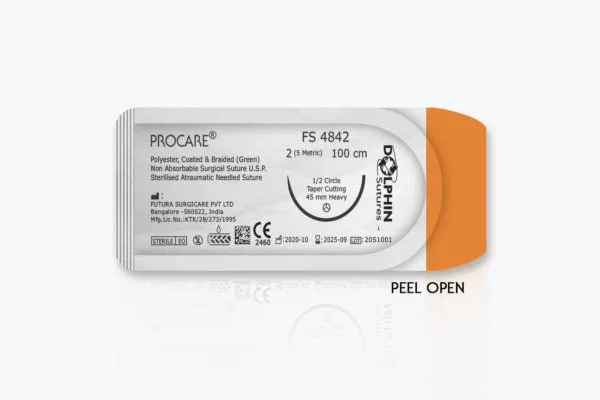
Polyester Sutures
Polyester sutures are synthetic, non-absorbable, braided sutures with high tensile strength and minimal tissue reactivity. Coated versions offer improved handling and knot security. They are commonly used in cardiovascular, orthopedic, and ophthalmic surgeries. Polyester sutures maintain long-term wound support, making them suitable for permanent internal suturing. Due to their durability and minimal stretch, they are also preferred in prosthetic fixation and sternal closures.
Size:0,1,2-0,3-0,4-0
Non-Absorbable